
Halftime Is Here: What Smart Traders Do With Their Portfolio Before Q3
Halftime Is Here: What Smart Traders Do With Their Portfolio Before Q3
Every great team stops at halftime—not to quit or panic, but to assess, adjust, and return sharper. The stock market’s halftime is every July, but most retail traders ignore it. Q2 just ended, and the earnings season is starting. With summer volume thinning, the year’s second half brings new opportunities and risks unlike January. The traders who succeed in Q3 and Q4 don’t just get lucky; they honestly review weaknesses, adjust, and reposition before the second half begins. Consider this article your quick locker-room pep talk. Let’s get started.
Why Mid-Year Is the Most Overlooked Moment in Trading
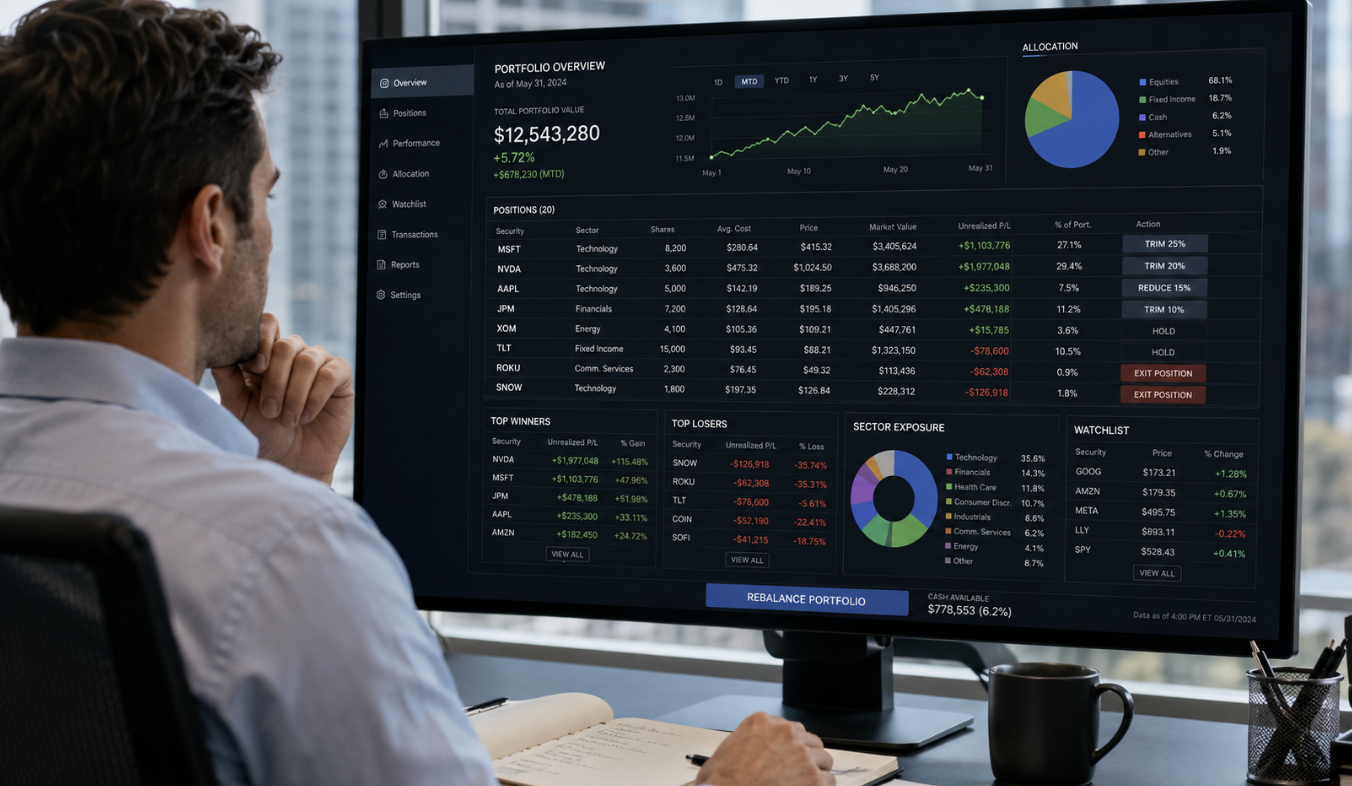
Most retail traders only rebalance when forced by big losses, margin calls, or crashes. This reactive rebalancing leads to poor decisions. Pro traders act differently. For them, mid-year is a strategic review set on the calendar, not an emergency. It always happens in July, no matter the portfolio’s status. July is ideal for a reset. Q2 earnings are coming, and sectors will reprice fast. With the Fed’s stance clearer and liquidity thinner, volatility changes. Institutional money is prepping for tax-loss harvesting. These factors give an edge to prepared traders; those who only react to headlines face risks.
Before making any changes, assess your portfolio by pulling up every position and asking yourself the following questions:
1.) Is this performing the way I expected when I entered the trade?
2.) Has the thesis changed, or am I just hoping it comes back?
3.) If I didn’t already own this, would I buy it today at this price?
That last question cuts through ego and sunk cost thinking faster than anything else. It forces you to evaluate each position on its current merit rather than its history in your account.
Next, examine your sector exposure to determine if you are overweight in one area simply because a few positions ran and were never trimmed back. Don’t just look at P&L, look at the quality of your wins. Did you follow your plan, or did you get lucky? Knowing the difference changes how you size your next trade.
Trim the Winners That Have Earned It
Selling a winning stock is tough, but pros do it systematically. If a position grows too large, it’s a risk, no matter your outlook. A beloved stock that’s now 30% of your portfolio is a concentrated bet. One bad report or sector rotation can erase gains fast. Trimming into strength isn’t selling—it’s locking in gains while staying in the trade. Use mid-year to right-size positions that exceed your original allocation. Did a tech stock double and grow too big? Did a sector ETF get crowded? Trim back to your target weight, let the rest ride, and redeploy freed capital into your best Q3 ideas. This discipline helps you avoid letting any one position become a liability.
Cut the Losers With a Dead Thesis
This can be the hardest emotional step, but also the most important. There’s a difference between a position that’s down with the market and one that’s down because its story broke. The first deserves patience, the second an exit. Honestly ask: has anything changed since you entered this trade? A bad earnings report, new sector headwinds, or a catalyst that never came? If yes, the thesis is dead—and so is the position. Holding such losers drags down your Q3 and Q4 portfolio. Acting now gives you more time for tax-loss harvesting before year-end. Cutting losers in summer puts you in control. Waiting until December makes it a rush.
Identify What Q3 Sets Up
Rebalancing isn’t just cleaning up the first half—it’s about readying for what’s next. Q3 often rewards traders who spot patterns:
- Energy peaks in summer, then shifts, offering both exit and entry points.
- Retail stocks’ prices in back-to-school and early holidays are coming sooner than expected.
- Financials reset as Q2 earnings arrive.
- Defense and healthcare hold up best when volatility rises with thinner summer liquidity.
Q2 earnings season, starting in July, is a major re-pricing event. Sectors that miss get punished fast; those that beat attract new institutional money. Q3 leaders often show up within the first weeks of earnings season. Volume spikes and momentum shifts will show up on Trade Ideas scanners before most update watchlists. Ask yourself: where is money moving now—and do you have exposure?
The Pro Trader Mindset: Process Over Emotion
Pros don’t have better info; they have better processes. They treat their portfolio like a business with scheduled reviews and unemotional choices. Their core question: Is this the best use of my capital right now? The mid-year check-in isn’t for judgment. Nobody bats .1000 all year. What matters is how you adjust at halftime. Consistent processes (even if flawed) always outrun hope and inaction. Watching isn’t managing. Stick with process over emotion every time.
You don’t need an advisor to save you. You need an hour, honest reflection, and the willingness to act. This week: assess your positions, resize your winners, cut the deadweight, and set your Q3 watchlist before earnings do it for you. The market doesn’t slow down for summer; it gets thinner and less forgiving of unmanaged portfolios. So take the halftime moment seriously to make sure you’re ready when Q3 volume returns and real opportunities emerge. Others will be caught off guard. Don’t react—act. Join Trade Ideas now to scan for Q3 leaders, set earnings alerts, and enter the rest of 2026 with a plan rooted in process, not hope.