
Why Smart Investors Are Betting Big on Silver in 2026
Why Smart Investors Are Betting Big on Silver in 2026
As we move through 2026, Silver Investment is gaining strong traction among investors and traders. Once seen mainly as a hedge against inflation and uncertainty, silver has evolved into both a precious metal and a vital industrial resource. Rising demand from solar energy, electric vehicles, and advanced electronics is driving long-term growth potential.
At the same time, ongoing global economic uncertainty continues to support its appeal as a safe-haven asset. This unique combination positions silver as a strategic addition to modern portfolios. Understanding current trends, demand drivers, and market shifts can help investors make smarter, more informed decisions in today’s dynamic silver market.
Silver’s Role as a Modern Inflation Shield
Silver is commonly regarded as a reliable store of value during inflationary periods, similar to gold. As fiat currencies lose purchasing power, precious metals like silver typically hold or increase their value, thanks to their intrinsic worth.
The ongoing concerns around inflation, especially after the COVID-19 pandemic and with central banks’ fiscal policies, have made silver even more attractive. Here’s why:
- Real-World Example: During times of significant inflation (like in the 1970s or 2008), silver’s price surged as investors sought refuge in precious metals. Silver can act as a counterbalance to the loss in value of fiat currencies, especially in economies with high debt levels.
- Inflation Protection Strategy:
- Correlation with Other Commodities: Unlike stocks, silver has a low correlation with traditional assets. If the stock market is underperforming during periods of inflation, silver tends to go up, making it a great diversification tool.
- Silver vs. Gold in Inflation Protection: While gold is widely viewed as a traditional inflation hedge, silver offers a more dynamic risk-reward opportunity. In inflationary and recovery phases, silver often outperforms due to its strong industrial demand. Its lower price point also makes it more accessible, giving investors greater upside potential with relatively smaller capital.
Technological Demand Driving Silver Prices Up
Beyond its role as an inflation hedge, silver’s growing importance in technology and healthcare is a major driver of demand. Its unique conductivity and antibacterial properties make it essential in sectors like electronics, solar energy, and medical applications.
In 2026, silver price forecast are increasingly influenced by this industrial demand, especially from renewable energy and advanced tech industries, positioning it as both a strategic investment asset and a critical resource in the evolving global economy.
Solar Energy Demand
The role of silver in solar energy is pivotal due to its outstanding electrical conductivity, essential for photovoltaic (PV) cells in solar panels. In 2023, the solar industry consumed approximately 142 million ounces of silver, accounting for about 13.8% of total silver demand. This demand is expected to surge significantly, reaching around 273 million ounces by 2030, marking an estimated 170% increase from current levels.
Each solar panel typically contains 20 grams (0.643 ounces) of silver. As new technologies like Heterojunction (HJT) cells emerge, which use up to 22 milligrams of silver per watt, the silver required per panel is likely to rise.
Electronics and Electrical Systems
Silver’s high conductivity also makes it indispensable in the electronics sector, where it is used in:
- Smartphones
- Electric vehicles (EVs)
- Batteries
- Semiconductors
- Circuit boards
The demand for silver in electronics is projected to grow alongside the increasing adoption of EVs and other digital technologies. In 2023, industrial demand for silver reached a record 654.4 million ounces, with further growth expected due to electrification and the rise of green technologies. This growth is expected to continue as electrification and the adoption of green technologies accelerate.
The electric vehicle market is a key driver of silver demand, with EV sales in the US surpassing 1 million units in 2023, a 52% increase year over year. By 2035, nearly 50% of all vehicles sold globally are expected to be electric, significantly boosting silver usage in automotive electronics, batteries, and charging infrastructure.
Medical Applications
In healthcare, silver is prized for its antibacterial properties, which are utilized in products like wound dressings, catheters, and medical implants. The global market for silver wound dressings was valued at $889.1 million in 2021 and is expected to grow to $1.51 billion by 2031 at a compound annual growth rate (CAGR) of 5.4%.
Advanced silver wound dressings, holding 60.3% market share in 2024, are gaining traction for their infection-fighting and healing properties. Rising chronic wounds, driven by aging populations and diabetes, continue to fuel strong demand in healthcare. As healthcare continues to expand, the need for silver in medical applications, particularly in wound care, is set to increase.
Market Outlook for Silver in 20256: Price Predictions and Demand Drivers
As we move into 2026, the outlook answers the key question, Why Invest in Silver 2026 with strong momentum driven by industrial demand and investor interest. Prices are expected to remain firm, supported by growing use in solar, electronics, and EV sectors, which account for over 60% of global demand. Expanding ETF participation and broader market access are further boosting silver’s appeal, positioning it as a compelling asset in today’s evolving economic landscape.
Trading Silver Futures in 2026: Capitalizing on Price Swings
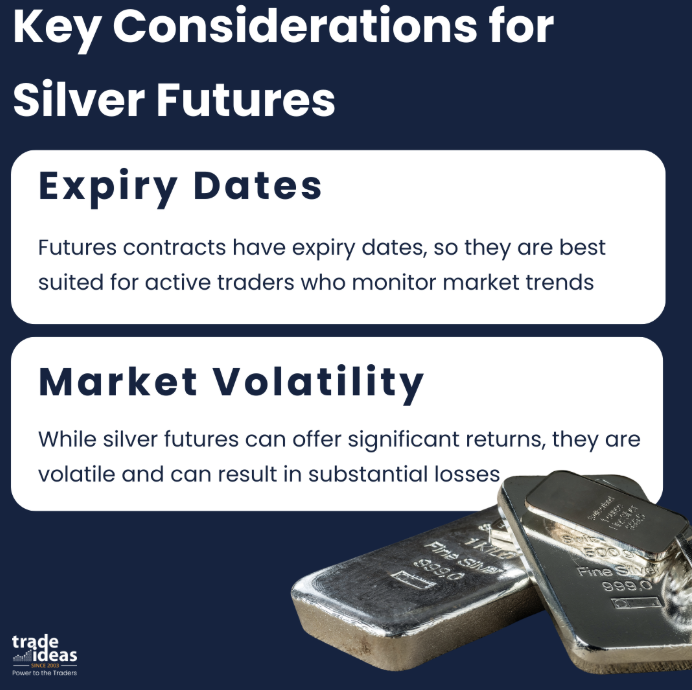
In 2026, silver futures offer a high-risk, high-reward way to trade fast-moving price trends driven by industrial demand and macro uncertainty. These contracts let traders act on both rising and falling markets with precision.
Leverage Advantage: Control larger positions with less capital, but higher risk comes with it.
Two-Way Trading: Go long on bullish momentum or short during pullbacks.
Smart Hedging: Lock in prices to manage volatility in an unpredictable market.
Ideal for experienced traders, silver futures demand timing, discipline, and a clear strategy.
Silver ETFs in 2026: The Smart, Liquid Gateway to Silver Investing
In 2026, Silver ETFs have become one of the most preferred entry points for investors seeking efficient exposure to silver without dealing with physical ownership. As market volatility and demand fluctuations continue, ETFs offer real-time pricing, high liquidity, and easy portfolio integration.
Many investors are increasingly turning to Silver ETFs to capitalize on silver’s industrial demand growth while maintaining flexibility in fast-moving markets. Compared to futures or physical silver, ETFs reduce complexity, storage concerns, and transaction friction.
For both new and experienced investors, Silver ETFs stand out as a strategic, transparent, and cost-effective way to participate in the evolving silver market.
- Top Silver ETFs to Watch in 2026:
Leading options like the iShares Silver Trust (SLV) and the Sprott Physical Silver Trust (PSLV) remain popular among investors for their strong liquidity, transparent pricing, and reliable exposure to silver’s price movements in today’s dynamic market. These ETFs are easy to trade on most brokerage platforms, making them accessible to both beginners and experienced traders.
- High Liquidity and Cost Efficiency:
In 2026, Silver ETFs continue to stand out for their strong liquidity and ease of trading on major exchanges, allowing investors to enter or exit positions quickly in volatile markets.
With no storage or handling costs, unlike physical silver, they offer a more cost-efficient and flexible investment option, making them ideal for both short-term trading and long-term portfolio diversification.
- Diversification: Silver ETFs are also more diversified, allowing investors to access silver’s performance through different strategies, whether through physical holdings, futures contracts, or silver stocks.
Risks of Silver Trading: What You Should Know
Silver can shine as a profitable asset, but hidden risks can impact returns. Before investing, understand the key challenges that could affect your silver trading decisions and strategy.
- Market Volatility: Silver prices can be highly volatile, subject to sudden price movements based on economic news, geopolitical events, or changes in industrial demand.
- Currency Fluctuations:
- Market Manipulation: Silver, like other commodities, has been subject to market manipulation, such as the London Silver Fix scandal in the past. Traders should stay cautious about potential price manipulation in the silver market, as it can impact trends and sentiment, making awareness essential for smarter Silver Investment 2026 decisions.
- Interest Rates: Rising interest rates could reduce investor interest in silver and weaken the overall market, as it offers no yield or dividend, unlike stocks or bonds.
How to Position Yourself for Success in the Silver Market in 2026
As we move through 2026, the silver market continues to present strong, but more nuanced, opportunities for investors. After a massive rally in 2025 and early 2026, silver remains supported by structural demand, even as short-term volatility increases.
Whether you’re investing in physical silver, ETFs, futures, or mining stocks, strategic positioning is now more important than ever.
Key factors shaping silver’s investment potential in 2026 include:
- Explosive industrial demand, driven by solar energy, electric vehicles, AI hardware, and advanced electronics, now accounts for a major share of global consumption
- Ongoing supply deficits, with the market expected to remain in shortage despite modest production growth
- Rising investor interest, with physical investment demand projected to grow significantly amid global uncertainty
- Macro-economic uncertainty, including inflation concerns, geopolitical tensions, and shifting monetary policies, supports precious metals
At the same time, investors should be aware that high prices are introducing volatility, with potential demand slowdowns in some industries and wider price swings expected throughout the year
By staying updated on global economic trends, tracking silver’s demand-supply dynamics, and adopting disciplined strategies like staggered investing or diversification, investors can better position themselves to capitalize on silver’s long-term growth story in 2026.
The Silver Boom Breakdown: FAQs for 2026
1. Is silver expected to go up or down?
Key takeaways. J.P. Morgan Global Research sees silver prices averaging $81/oz in 2026, more than double their average in 2025, but this depends on many factors, including global demand.
2. Is it a good time to trade in silver?
If you’ve been holding silver coins, bars, or scrap, you might be wondering if now is the right time to sell your silver. With prices up significantly in 2026 and strong industrial demand, many experts believe this might be one of the best windows in recent years.
3. What is the trend in silver growth?
Silver prices are experiencing a strong, aggressive upward trend in 2026, with Indian prices surpassing ₹2,60,000 per kg due to high demand and supply deficits. This rally is driven by massive industrial demand from the solar, EV, and 5G sectors, alongside its use as a safe-haven asset amid geopolitical volatility.
4. How high will silver go by 2030?
Silver is widely projected to reach between $100 and $250 per ounce by 2030, driven by severe supply deficits, increasing industrial demand (particularly for photovoltaics and EVs), and investment inflows. Some optimistic forecasts suggest potential peaks over $300, while a conservative base case still points to significant growth above $100.