
Trade Like a Card Counter: Why the Best Traders Know When to Walk Away
Trade Like a Card Counter: Why the Best Traders Know When to Walk Away
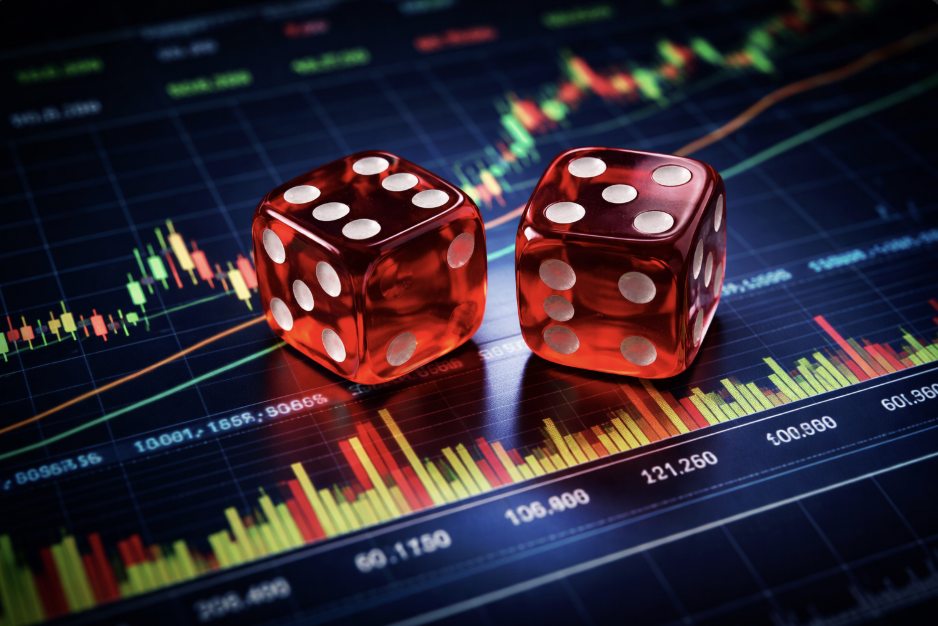
It’s not uncommon for people to associate trading with gambling, and while they’re fundamentally different pursuits, there’s one powerful lesson traders can steal directly from the poker table: card counting. The casino card counter analogy is perfect for trading because both require the same fundamental discipline – waiting patiently for favorable conditions, betting aggressively when the odds stack in your favor, and having the wisdom to walk away when the deck composition turns against you. Amateur traders, like amateur gamblers, feel compelled to play every hand, confusing constant activity with productivity and destroying their accounts through forced participation in unfavorable setups. Professional traders, by contrast, understand that the market doesn’t owe them opportunities every single day, and that sometimes the most profitable position is no position at all. The principle is brutally simple: only risk capital when the statistical edge clearly favors you. In this article, you’ll learn to recognize when those opportunities are, how to trade aggressively during those conditions, and when to sleep through the rain by stepping aside.
The Card Counter Philosophy and Trading Parallel
Professional card counters don’t rely on luck or gut feelings – they use mathematics to identify when the deck composition favors the player over the house. They patiently make minimum bets through dozens of neutral or negative hands while waiting for the high-card-rich decks that shift probability in their favor, then betting aggressively to capitalize on that temporary statistical edge before the shuffle resets everything. The long-term advantage isn’t built on winning every hand; it’s built on the discipline to minimize losses during unfavorable periods and maximize gains when conditions align. This creates an asymmetric risk-reward that compounds over thousands of hands into consistent profits.
The trading parallel is exact:
- Market conditions are your “deck composition,” with trending markets
- Clear directional momentum
- Low-noise price action representing the favorable counts that justify aggressive position sizing
- Choppy, directionless, high-volatility chaos represents the negative counts where smart traders make minimum bets or fold entirely.
Just as card counters don’t chase losses or make hero bets to recover from bad runs, successful traders understand that position sizing based on opportunity quality (risking 1% during uncertain conditions vs 3-5% during clear setups) creates the mathematical edge that beats trying to force heroic moves in markets that aren’t offering favorable odds, because in both gambling and trading, consistency and discipline compound into wealth while ego and forced action compound into bankruptcy.
Reading the Market Weather
Like card counters tracking deck composition, successful traders systematically read market conditions across three dimensions:
- Technical indicators like VIX levels (below 15 signals complacency, above 25 signals opportunity), volume patterns revealing institutional conviction
- Trend strength measurements
- Breadth indicators showing whether rallies are healthy or fragile
- Fundamental patterns through the economic calendar, earnings seasons, policy announcements, and seasonal trends
- Sentiment gauges (i.e., fear/greed extremes, put/call ratios, insider buying activity, and institutional positioning data) that reveal what smart money is actually doing versus what the media claims.
Position Sizing: Betting Big When You Have the Edge

Once you’ve identified favorable conditions, position sizing becomes your execution weapon:
1.) Risk just 1-2% per trade during normal market conditions with moderate conviction
2.) Increase to 3-5% during highly favorable setups when technical, fundamental, and sentiment indicators align with asymmetric 3:1 risk-reward ratios
3.) Go to 0% risk by raising cash during unfavorable conditions when signals are mixed, or you’re confused about direction. (most important)
This dynamic adjustment based on market regime – not static position sizing regardless of conditions – is what separates professional capital preservation from amateur account destruction, because the card counter’s edge comes not from playing every hand, but from betting big only when the count screams opportunity.
The Technology and Mathematical Edge of Selective Trading
Technology platforms like Trade Ideas become essential for selective traders, automating the scanning process to identify favorable market conditions without requiring constant manual monitoring. Our alert systems notify you when volatility regimes shift, or trend strength reaches actionable thresholds, help you backtest “sunny day” patterns to validate which conditions actually produce edge, and use systematic filters that avoid analysis paralysis by clearly defining tradeable versus non-tradeable environments.
While inactive, these tools let you stay informed through condition-based alerts rather than obsessive chart watching, allowing preparation and watchlist building while automated re-entry signals identify when opportunity returns. The mathematical justification for this selective approach is overwhelming: fewer, better trades consistently beat constant activity because trading costs (commissions, slippage, spreads) compound devastatingly on overtrading, statistical analysis proves that win rate matters far less than participation rate in quality setups, and the compound effects over time favor the patient trader who waits for an edge. Most critically, sitting out prevents catastrophic losses that destroy accounts, making capital preservation during unfavorable conditions exponentially more valuable than capturing every marginal opportunity. Long-term wealth building through selectivity isn’t just psychological discipline; it’s mathematical inevitability when you understand that avoiding losses compounds faster than chasing gains.
Implementing the Professional Card Counter Edge
Building a sustainable selective trading approach requires creating explicit rules that remove emotion from participation decisions, such as defining:
- Conditions that trigger active trading (trending markets with VIX between 15-25, breadth above 60%, clear technical setups)
- Conditions that trigger cash raises (choppy price action, conflicting signals, personal confusion), position sizing rules by market regime (1-2% normal, 3-5% favorable, 0% unfavorable)
- Daily or weekly activity limits (that prevent overtrading during slow periods).
Track everything through detailed journaling that records market conditions alongside results, allowing you to identify your personal “sunny days” (the specific environments where you actually make money vs the ones where you fool yourself into thinking you should be active) and continuously refine your participation strategy based on real performance data.
Selectivity is the ultimate competitive advantage in trading because, while amateurs confuse constant activity with professionalism, the card-counter mentality recognizes that the edge comes from betting big when conditions favor you and stepping aside when they don’t. Stop trading like it’s a job requirement with mandatory daily participation; start trading like a professional who understands that preserving capital during rain allows you to compound wealth during sunshine. Visit Trade Ideas today to identify your edge, create systematic rules, and learn the discipline to walk away when the market isn’t dealing favorable cards.